
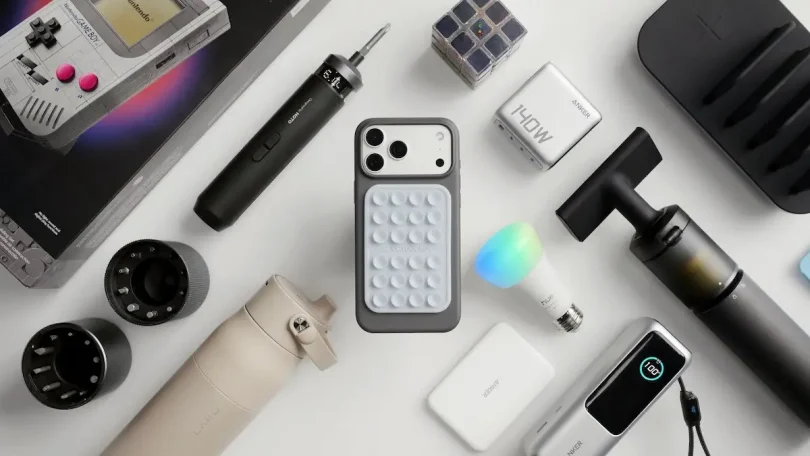

Buying new tech can feel overwhelming. With so many devices, brands, and specs, it’s easy to get lost in the details. That’s why a proper tech buying guide is essential.
Whether you’re looking for a smartphone, laptop, smartwatch, or smart home gadget, this guide will help you make informed decisions and ensure your investment is worthwhile. Let’s break it down step by step.
1. Understand Your Needs

Before you even open a store or scroll online, think about why you need a new device. This is the first and most important step in any tech buying guide.
- Smartphones: Are you a heavy gamer or a casual browser? Do you need the best camera for photography or just a reliable phone for calls and apps?
- Laptops: Will you use it for professional work, gaming, or just streaming and browsing? A high-end processor is crucial for gaming and video editing, while casual use requires far less.
- Smartwatches/Wearables: Are you tracking fitness, health metrics, or just want notifications on your wrist?
- Smart Home Devices: Are you looking for convenience, security, or entertainment enhancements?
By clarifying your needs, you immediately filter out devices that offer unnecessary features or that won’t meet your requirements.
2. Set a Realistic Budget
Once you know what you need, determine how much you’re willing to spend. Setting a budget early prevents overspending and helps you focus on devices that deliver value within your price range.
Tips for budgeting:
- Must-have vs. nice-to-have: Prioritize features that are essential to you. Don’t overspend on extras you won’t use.
- Future-proofing: Sometimes spending a bit more ensures your device lasts longer and can handle updates or heavier usage.
- Hidden costs: Remember accessories, software subscriptions, or extended warranties. These can add up quickly.
Keep in mind that mid-range devices often provide excellent performance without the premium price of top-tier gadgets.
3. Focus on Key Features
After narrowing down your options, look at the features that matter most. Here’s a quick breakdown for different tech categories:
Smartphones:
- Processor speed and RAM for smooth multitasking
- Camera quality (megapixels, low-light performance, video features)
- Battery life and fast charging
- Screen type (LCD, OLED) and resolution
- Storage capacity (and whether it’s expandable)
Laptops:
- Processor type (Intel, AMD) and speed
- RAM (8GB minimum for casual use, 16GB+ for gaming or editing)
- Storage: SSD for faster performance, HDD for large storage
- Graphics card if gaming or video editing
- Battery life for portability
Wearables:
- Fitness tracking features (heart rate, sleep, oxygen levels)
- Battery life and charging method
- Compatibility with your phone
- Build quality and water resistance
Smart Home Devices:
- Compatibility with your ecosystem (Google Home, Alexa, Apple HomeKit)
- Security features and encryption
- Ease of setup and control
- Integration with other smart devices
Always read both expert reviews and user feedback. Specs alone don’t tell the full story; real-world use often reveals hidden issues.
4. Compare Brands and Models

Brand choice can make a difference in reliability, software support, and warranty service. While popular brands usually offer dependable performance, don’t overlook smaller or newer brands—they sometimes provide better value for money.
When comparing:
- Check customer support and warranty policies
- Look for software updates—especially important for smartphones and smartwatches
- Compare models within the same brand to see which one offers the best balance of features and price
Sometimes a last year’s model is almost as good as the latest version but comes at a significantly lower price.
5. Timing Your Purchase
Did you know the timing of your purchase can save you hundreds? Tech prices fluctuate regularly, and knowing when to buy is crucial.
- Seasonal Sales: Black Friday, Cyber Monday, back-to-school, and holiday sales often offer the best deals.
- New Releases: When a new model launches, older versions usually drop in price.
- Bundles & Promotions: Some retailers offer free accessories or extended warranties during promotions.
Patience pays off—waiting a few weeks or months can mean getting the same device for much less.
6. Test Before You Buy
If possible, experience the device in person. Hands-on testing helps you evaluate:
- Ergonomics—how comfortable the device feels
- Display quality—brightness, color accuracy, touch responsiveness
- Overall usability—keyboard feel on a laptop, app interface on a phone
Even if you’re buying online, visiting a store or watching detailed video reviews can give you a better sense of the user experience.
You may also like to read this:
Honest Tech Reviews: Unbiased Gadget & Device Insights
Best Wearable Gadget Reviews: Smart Devices For Health
Audio Gadget Reviews 2026: Best Headphones & Speakers
Budget Gadget Reviews: Top Affordable Tech Picks 2026
Best Gadgets To Buy in 2026 – Top Tech Picks
7. Plan for Longevity
A good tech buying guide considers how long a device will last. Investing in durability and software support ensures your gadget stays useful for years.
- Build quality: premium materials last longer
- Software updates: longer update cycles extend device lifespan
- Resale value: some brands maintain higher resale prices
Think of tech purchases as long-term investments. A slightly higher upfront cost can be justified if the device lasts 3–5 years without issues.
8. Consider Accessories and Ecosystem
Tech often works best when paired with compatible accessories:
- Laptops with docking stations, external drives, or cases
- Smartphones with protective cases, wireless chargers, and headphones
- Smart home devices with additional sensors or cameras
Also, consider whether the device fits into your current ecosystem. For example, Apple users often benefit from seamless integration across iPhone, iPad, Mac, and Apple Watch.
9. Use Reviews and Comparison Tools
Don’t just rely on manufacturer claims. Use:
- Tech websites like CNET, The Verge, and TechRadar
- YouTube reviews for hands-on demonstrations
- Comparison tools to see features side by side
Pay attention to recurring issues mentioned by multiple users—it’s often a red flag.
10. Make the Purchase Confidently
After careful research, comparison, and testing, make your choice confidently. Avoid impulse purchases. Stick to your budget, prioritize your needs, and trust the research you’ve done. A smart, informed purchase will give you satisfaction for years.
Conclusion
Choosing the right gadget doesn’t have to be stressful. Following this tech buying guide ensures you consider your needs, budget, features, brand reliability, timing, and longevity. By taking a thoughtful approach, you’ll make decisions that save money, provide better performance, and give you a device that truly enhances your life.
Remember: identify your needs first, research thoroughly, compare options, and think long-term. That’s the key to buying tech wisely in 2026.


