

Technology is evolving faster than ever before. Every year brings new breakthroughs that change how we live, work, and interact with the world. If you’re curious about the latest tech trends, you’re in the right place.
From Artificial Intelligence (AI) and 5G to immersive virtual reality and sustainable technology, we’ll break down the trends in a simple, user-friendly way so you can understand what’s shaping the digital future.
1. Artificial Intelligence (AI) and Machine Learning
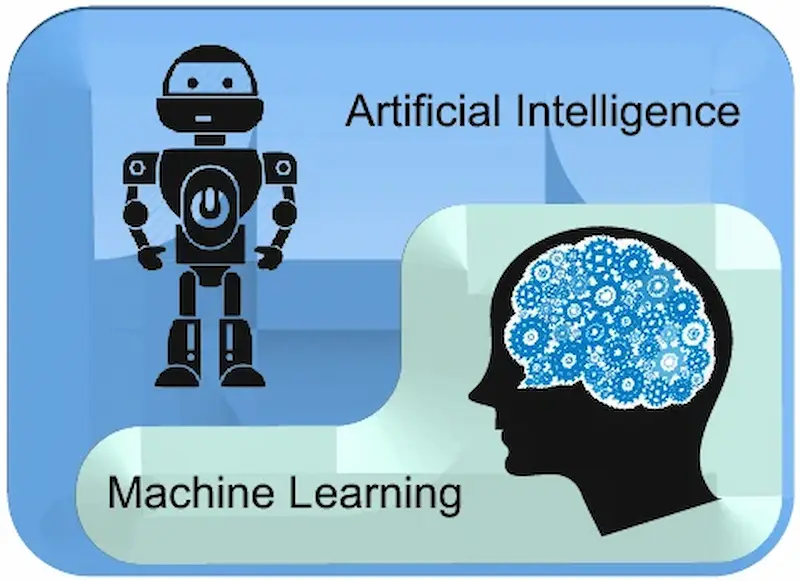
AI is no longer just a buzzword—it’s everywhere. From personalized shopping experiences to self-driving cars, AI is reshaping industries and daily life. Machine learning, a subset of AI, allows systems to learn from data and make decisions without human intervention.
Examples of AI in action:
- Chatbots and Virtual Assistants: Siri, Alexa, and ChatGPT help answer questions, schedule tasks, and provide information instantly.
- Recommendation Systems: Netflix, YouTube, and Spotify use AI to suggest content based on your preferences.
- Healthcare Innovations: AI helps in diagnosing diseases faster by analyzing medical images or predicting health risks.
Why it matters: AI reduces human effort, increases efficiency, and can even predict trends. Businesses are leveraging AI to automate tasks, improve customer experiences, and make data-driven decisions.
2. 5G Networks and Next-Gen Connectivity
The rollout of 5G is transforming the digital landscape. This new generation of mobile networks offers ultra-fast speeds, minimal latency, and higher capacity for connected devices.
Impact of 5G:
- Gaming and Streaming: Lag-free cloud gaming and high-definition video streaming are now possible on mobile devices.
- Smart Cities: 5G enables real-time traffic monitoring, smart lighting, and advanced public safety systems.
- IoT Expansion: More devices can be connected simultaneously without network congestion.
Why it matters: 5G doesn’t just make your internet faster—it opens the door for innovations like autonomous vehicles, remote surgeries, and virtual workplaces.
3. Extended Reality: AR and VR
Augmented Reality (AR) and Virtual Reality (VR) are no longer just for gamers. These immersive technologies are being used across multiple sectors.
Applications of AR and VR:
- Education: Students can take virtual field trips or interact with 3D models.
- Retail: AR apps allow users to virtually try on clothes, shoes, or even furniture before buying.
- Healthcare: VR simulations are used for surgical training and patient therapy.
Why it matters: AR and VR create interactive experiences that were impossible before, transforming learning, entertainment, and even social interactions.
4. Internet of Things (IoT)
The IoT ecosystem connects devices, appliances, and systems through the internet, enabling them to communicate and share data.
Popular IoT devices:
- Smart Home Gadgets: Thermostats, lights, and security cameras can now be controlled remotely.
- Wearables: Fitness trackers and smartwatches monitor health metrics like heart rate, sleep patterns, and calories burned.
- Industrial IoT: Factories use IoT for predictive maintenance and efficiency optimization.
Why it matters: IoT makes everyday life more convenient, improves productivity, and provides insights into habits and operations that were previously invisible.
5. Blockchain and Cryptocurrency
Blockchain is no longer synonymous with Bitcoin. Its secure, decentralized nature is being applied in finance, supply chains, healthcare, and even digital art through NFTs.
Use cases of blockchain:
- Finance: Banks and fintech companies use blockchain for faster, more secure transactions.
- Supply Chain: Products can be tracked from manufacture to delivery, reducing fraud.
- NFTs and Digital Ownership: Artists sell digital art with verifiable ownership on blockchain networks.
Why it matters: Blockchain ensures security, transparency, and efficiency in digital transactions—a technology with huge potential beyond cryptocurrency.
6. Green and Sustainable Technology
With climate change becoming an urgent issue, green technology is one of the fastest-growing latest tech trends.
Examples of green tech:
- Renewable Energy: Solar, wind, and hydroelectric solutions are becoming more affordable and efficient.
- Electric Vehicles (EVs): Tesla, Rivian, and other EV makers are revolutionizing transportation.
- Eco-Friendly Gadgets: Energy-efficient appliances and devices reduce environmental impact.
Why it matters: Sustainable technology not only helps protect the planet but also creates opportunities for businesses and consumers to adopt eco-conscious practices.
7. Edge Computing
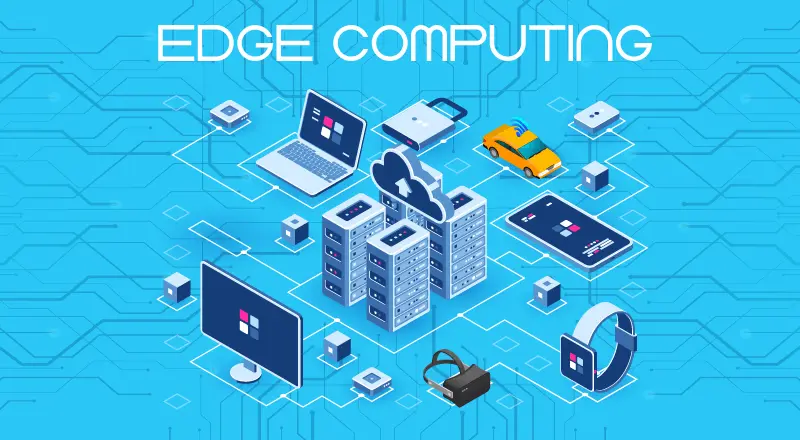
Edge computing is a technology trend complementing cloud computing. Instead of sending all data to the cloud for processing, edge computing processes data closer to the source.
Benefits of edge computing:
- Lower Latency: Faster response times for applications like gaming or autonomous driving.
- Reduced Bandwidth: Less reliance on cloud infrastructure reduces data congestion.
- Real-Time Insights: Critical for industries like healthcare, manufacturing, and retail.
Why it matters: As more IoT devices connect to the internet, edge computing ensures fast, efficient, and reliable processing.
8. Cybersecurity Innovations
As technology advances, cyber threats grow more sophisticated. Next-generation cybersecurity solutions are a crucial latest tech trend for businesses and individuals alike.
Emerging cybersecurity technologies:
- AI-Powered Security: Detects and prevents threats faster than traditional methods.
- Zero-Trust Architecture: Limits access to sensitive data unless verified.
- Encryption & Privacy Tools: Protect personal data in apps, emails, and cloud storage.
Why it matters: Protecting digital assets is essential in a connected world. Advanced cybersecurity builds trust and safeguards sensitive information.
You may also like to read this:
Tech Buying Guide 2026 – Tips For Smart Gadget Choices
Best Gadgets Under Budget: Top Affordable Tech Picks
Smartphone Buying Guide 2026: Choose The Right Phone
Laptop Buying Guide: Tips To Choose Your Perfect Laptop
Accessories Buying Guide: How To Shop Smart & Stylishly
9. Quantum Computing
Quantum computing is still emerging but promises to redefine problem-solving in science, finance, and logistics. Unlike traditional computers, quantum computers use quantum bits (qubits) to process massive amounts of data simultaneously.
Potential applications:
- Healthcare: Simulate drug interactions for faster development.
- Finance: Optimize trading strategies and risk analysis.
- Energy & Climate: Solve complex problems like climate modeling and renewable energy optimization.
Why it matters: Quantum computing can solve problems conventional computers cannot, offering possibilities previously limited to science fiction.
10. Human-Centric Technology
The focus of modern tech is increasingly human-centered. It’s not just about gadgets—it’s about creating experiences that make life easier, healthier, and more productive.
Examples:
- Wearables: Smartwatches monitor physical and mental health.
- Voice Assistants: Simplify everyday tasks and enhance accessibility.
- Productivity Tools: AI-driven apps manage schedules, emails, and workflows efficiently.
Why it matters: Technology is becoming more intuitive and adaptive, designed to improve human life, not just automate tasks.
Final Thoughts
The latest tech trends are shaping the way we live, work, and interact with the world. From AI and 5G to blockchain and green technology, these innovations are not just futuristic—they’re happening now. Staying updated helps you make informed decisions, embrace new tools, and even explore career opportunities in tech-driven fields.
Whether you’re a tech enthusiast, a business owner, or someone curious about the digital world, these trends provide a glimpse into the future—and the opportunities are limitless.

